GIG Logistics

Our Blogs

How E-commerce is Shaping the Future of Logistics in Nigeria

How E-commerce is Shaping the Future of Logistics in Nigeria

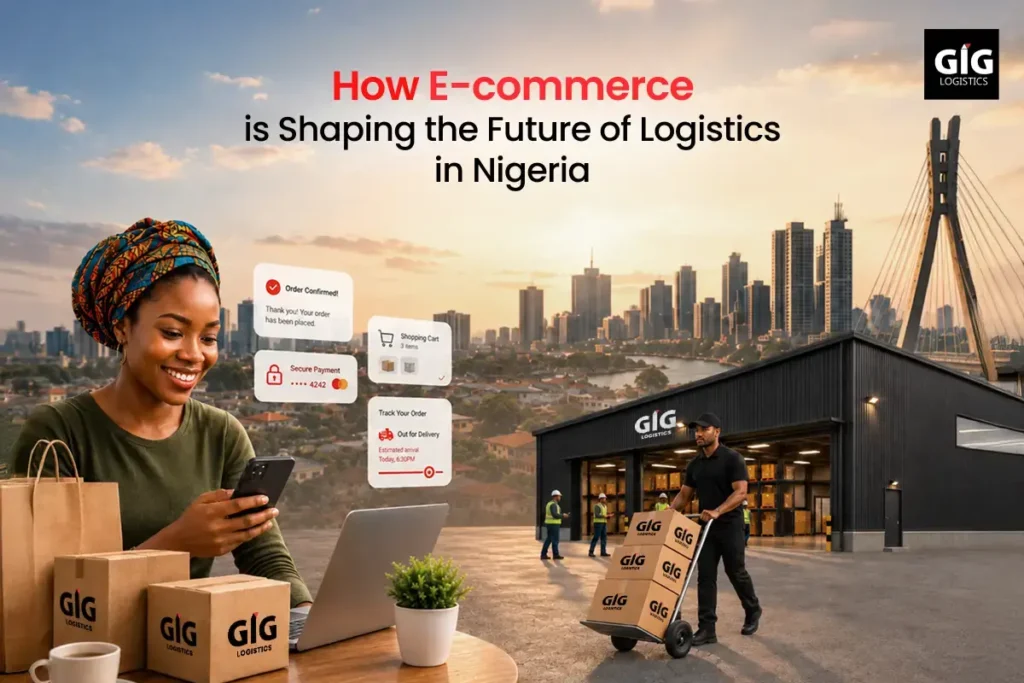
The e-commerce revolution is changing the face of Nigeria’s logistics sector by driving demand for quick delivery, order processing, tracking, inventory management, and last-mile logistics. With growing numbers of online shoppers, the logistics companies operating in the country are becoming increasingly dependent on technology. From warehouse expansion and digital order management to route optimization and last-mile delivery, technology is transforming logistics operations nationwide. In this blog post, we’ll delve into how e-commerce is reshaping logistics in Nigeria, the technologies driving that change, and what businesses can expect from the future of e-commerce logistics. What is E-commerce Logistics? E-commerce logistics is the process of stocking, handling, transporting, tracking, and delivering products purchased online, from order fulfillment through final-mile delivery. How E-commerce Increases Logistics Demand With the development of e-commerce, the relationship between e-commerce and logistics has become increasingly relevant, because efficient fulfillment and delivery have now become inevitable for any company. Each transaction conducted via e-commerce website includes several stages: order confirmation, stock management, picking, packing, shipping and delivery; the last stage is particularly challenging when talking about international shipping from the USA to Nigeria. With an increase in the order volume, companies have to streamline their processes so as to cater to their customers’ demands for convenience, quick deliveries, and order tracking. Efficient logistics enables e-commerce firms to deliver products on time, be satisfied by their customers, handle increasing order volumes, and also gain more customers. How is E-commerce Delivery Changing in Nigeria? Delivery speed and flexibility have become critical considerations in online shopping. Businesses need efficient means to move orders from fulfillment centers to customers across different locations. This trend has led to new delivery methods being implemented by businesses depending on the needs of the customer, product, and destination. Such delivery models will include scheduled deliveries, same-day delivery, pick-up locations, and regular delivery. This trend will also create opportunities for specialized e-commerce delivery services in Nigeria where third-party logistics companies deliver products on behalf of businesses without delivery systems. How is E-commerce Changing Warehousing and Fulfillment in Nigeria? E-commerce has brought about changes in the process through which inventory is handled and managed. Traditional inventory storage methods often can’t keep pace with the speed and efficiency required to deal with growing order volumes. As a result, e-commerce fulfillment is becoming more significant in Nigeria, particularly for businesses that deal with international orders. This allows businesses to manage cross-border deliveries, such as shipping of goods from the USA to Lagos, Nigeria. Such modern operations are able to incorporate inventory storage, picking, packing, logistics, customs clearance, and even delivery. Strategically located warehouses and fulfillment centers allow businesses to bring their goods near their consumers by providing efficient and fast delivery. As a result of increased online shopping, fulfillment centers are becoming more technologically-oriented through the use of inventory management software, barcode scanning, alerts, and online order management. How is Technology Transforming Logistics in Nigeria? Technology is one of the key drivers of change in Nigeria’s logistics sector, connecting retailers, warehouses, deliveries, logistics service providers, and consumers through a central platform. The impact of technology on logistics in Nigeria can be seen in developments such as: Real-time shipment tracking Automated order processing Route optimization Digital inventory management Electronic proof of delivery Automated customer notifications Real-time delivery updates Data analytics can assist businesses in improving their processes through examining delivery times, orders, customers’ location, and transportation efficiency. For businesses trying to find scalable logistics solutions for e-commerce, leverage technology will help them gain more insight into operations and communicate better with customers. Why Is Last-Mile Delivery a Challenge in Nigeria? Last-mile delivery is normally the most difficult part in the logistics process. Last-mile delivery in Nigeria refers to delivering individual shipments from warehouses, distribution centers, or hubs to the destination point – the client’s address. Several factors can impact delivery, such as traffic congestion, road conditions, address accuracy, population density, and customer availability. That is why a business needs to have a strategy regarding route planning, scheduling and coordination with the client. For instance, an online store can plan its routes by analyzing customers’ location and allocation of the closest delivery hubs to the customer. Strategies like route optimization, distribution hubs, client information, digital tracking, and alternative delivery solutions, allow the company to avoid any unnecessary miles. How Is Cross-Border E-commerce Creating Logistics Opportunities? The emergence of online business has created a lot of possibilities both locally and internationally. Cross-border e-commerce helps local businesses to reach overseas customers while also allowing Nigerians to access products from other parts of the world. However, international e-commerce involves a number of logistic issues. Companies will be required to sort out issues of custom clearance, international shipping, taxes, delivery and returns. This creates a need for specialized shipping services that account for logistics requirements both within and outside the country. Shipping services from Nigeria to the USA help e-commerce businesses manage cross-border deliveries, streamline customs and transportation, and expand into international markets. What Is the Future of E-commerce Logistics in Nigeria? The future of e-commerce logistics in Nigeria will increasingly be dependent on digital connectivity, efficient fulfillment service providers, tracking capability and data analytics of the transportation process. Artificial intelligence, predictive analysis, inventory management, and route optimization will allow logistics companies to forecast demand better and optimize inventory management and logistics. However, the objective is not only to deliver the product faster but to create an interconnected logistics system, where orders, inventories, warehouse, transportation team, logistics company and customer will be able to interact through digital means. For Nigerian e-commerce businesses, investing in flexible logistics infrastructure and scalable technology will be key to sustainable growth. Conclusion E-commerce is reshaping Nigeria’s logistics industry by increasing demand for faster deliveries, effective fulfillment, increased warehouse space, tracking technologies, and technology-enabled logistics. From e-commerce delivery in Nigeria to warehousing, delivery and last mile fulfillment and cross border logistics, every stage of the logistics process has become increasingly technology-enabled. This change is facilitated by the logistics services offered by GIG
Cross-Continental Shipping Connecting American Stores to Nigerian Buyers

Cross-Continental Shipping: Connecting American Stores to Nigerian Buyers

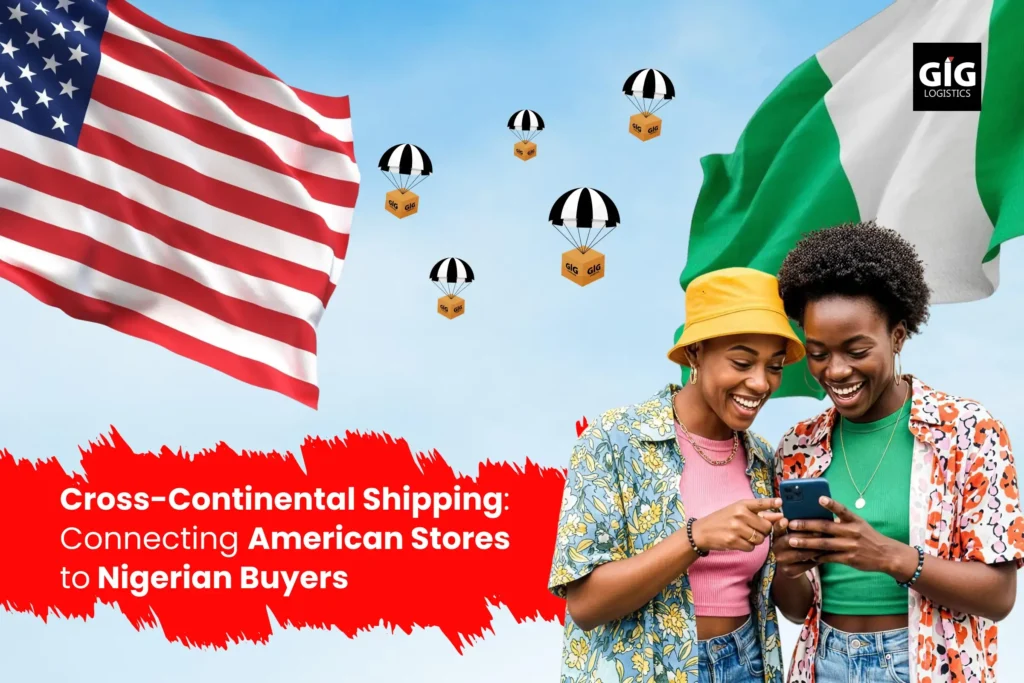
Global e-commerce has transformed how people buy and sell, as individuals can now access products that were once out of reach due to their location. Shipping products across the globe has become essential in bridging the gap and making it easy for customers in Nigeria to access products from American stores. This has not only opened more opportunities for customers but has also created new opportunities for businesses to generate more income. With improved international shipping, customers can access faster and more reliable shipping options for cross-border transactions. In this blog post, we’ll discuss how international shipping helps bridge geographical gaps, enabling cross-border transactions and access to products across the globe, between the United States and Nigeria. The Rise of Cross-Border Shopping Modern consumers want variety, quality, and value for money spent. American stores deliver on all three, offering diverse products at competitive prices. Nigeria shoppers benefit by accessing these products without having to travel out of the country. The shopping culture has made shipping a major part of the global economy. Advancements in logistics, such as improved tracking and streamlined checkout, have enhanced the shopping experience. Customers can browse, select, and purchase with confidence, making shopping and shipping from the USA to Nigeria both convenient and trustworthy. How Cross-Continental Shipping Works International shipping involves several steps: ordering from an online store, processing and preparing for dispatch, transportation, and final delivery. Today’s systems make each stage transparent and efficient. Customers can monitor shipments, receive updates on delivery timelines, and access secure payment methods. All these have eased the shipping process as buyers can now transact without any friction. Expanding Access Through Reliable Logistics Reliable logistics services are the foundation of global trade. With the development of infrastructure and the use of technology, shipping providers can offer reliable delivery from the USA to Nigeria, meeting the customer’s needs for speed and safety. One of the major advantages is doorstep delivery, which saves the customer the hassle of going to the collection centers. The product is delivered directly to the customer’s doorstep. This service has greatly increased the rate of adoption of online shopping among Nigerians, particularly those in urban areas. Another advantage is that some of these service providers offer various delivery options, such as express delivery and standard delivery, allowing buyers to choose the service that best fits their needs. Cost Considerations and Shipping Options Cost is a key factor in international trade. Buyers often compare prices, delivery times, and service quality before making purchases. Transparent pricing builds trust and helps customers make informed decisions, increasing loyalty and repeat business. Choosing the Right Logistics Provider Selecting the right logistics provider is essential for a hassle-free shipping experience. The best logistics service provider ensures fast, secure, and reliable services through the safe delivery of goods within the specified time period. A good logistics service emphasises good communication, time management, and support. As competition grows, service providers continue to upgrade their services to ensure that international shipping from the USA to Nigeria is efficient and user-friendly. For businesses, partnering with the best logistics services can translate to more business and sales. For customers, it means that their goods will be delivered safely and in the best condition. Technology and Transparency in Shipping Technology has greatly influenced the shipping industry, introducing real-time tracking and updates that enhance transparency. This is because customers can now keep track of their orders from dispatch to delivery, improving confidence and satisfaction. These developments have also enabled faster processing and better coordination of the sellers and the shipping companies. This means that shipping from the USA to Nigeria has become efficient and can be done faster. Furthermore, secure payment gateways protect customers, making transactions secure even when making cross-border transactions. This is an important factor in establishing trust among individuals to take part in global e-commerce. Empowering Businesses and Consumers The advantages of cross-continental shipping are immense for both businesses and consumers. American enterprises reap the rewards of the international market, while Nigerian shoppers have access to more products. This is the major reason behind the growth of the economy and the development of international relations. Shop and ship services help businesses expand their reach without necessarily having to build brick-and-mortar facilities. Alternatively, consumers have access to quality products which might not be easily accessible. This improves trade relations and promotes development in the long-run. Final Thought The movement of goods across continents has thus become an integral part of modern business, and it has also created new opportunities for businesses. Efficient logistics, transparent costs, and smart technology have made international shopping easier. With the help of GIG Logistics, along with the GIGGo App, shipping goods to Nigeria from the USA has become much simpler. With innovation being an ongoing process, businesses that focus more on efficiency will have an added advantage. For the customers, the benefits of such an innovation are the quicker availability of goods, making cross-border shipping not only a service but also a network of individuals, goods, and opportunities. Frequently Asked Questions (FAQs) Q1. Which is the most cost-effective method of shipping goods internationally? Consolidated shipping and standard delivery options are the most cost-efficient way to ship goods internationally. Q2. Is shipping from the USA to Nigeria secure? Yes, shipping from the USA to Nigeria is secure, as the companies provide a safe delivery of the packages. Q3. Is it possible to have the packages delivered to customers’ doorsteps in Nigeria? Yes, there is a wide variety of logistics companies that offer doorstep delivery from the USA to Nigeria, which means that the customers can have the packages delivered to their doorstep easily.

How Logistics Tech Is Helping Small African Retailers Grow Globally

How Logistics Tech Is Helping Small African Retailers Grow Globally

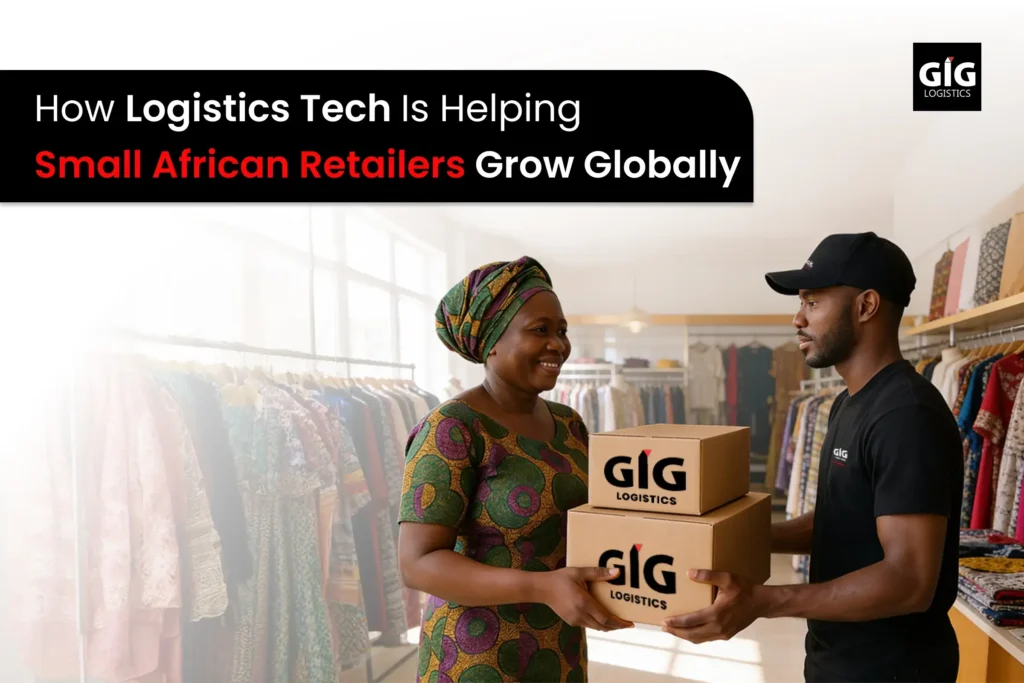
African e-commerce is stepping into a new growth phase. From Lagos fashion sellers to gadget retailers, small businesses are no longer limited by geography. What’s driving this change is logistics technology – smart systems that make shipping, cross-border fulfillment, and global deliveries faster, cheaper, and more reliable than ever before. For African retailers looking to sell internationally, especially those using international shipping from the USA to Nigeria, logistics tech is no longer optional; it’s the backbone of global scale. The Logistics Challenge Small African Retailers Face In the past, small retailers in Africa have faced challenges, including: High shipping costs to Nigeria from the USA Poor visibility after dispatch Delays in delivery from the USA to Nigeria Unclear customs procedures Limited access to the best shipping company from the USA to Nigeria These factors made doorstep delivery from the USA to Nigeria highly risky and pricey, thus slowing growth and affecting customer trust. But today, technology is solving this problem. How Logistics Technology is Changing the Game? Several technologies are currently revolutionizing the logistics sector. This ensures a brighter future for a highly interconnected supply chain. These technologies are: AI-Assisted Route Optimization Current logistics systems rely on artificial intelligence to determine the quickest route to take. For retailers relying on fast air freight from the USA to Nigeria, the application of AI in route selection decreases transit time and transportation costs, thereby reducing the cost of air freight. This means that small businesses can now provide fast shipping services from the USA to Nigeria without having to pay a premium price. Real-Time Tracking Builds Global Trust Customers prefer transparency. With the use of real-time tracking, consumers get information on when their product will arrive from the time of dispatch. This builds confidence for sellers who offer door-to-door delivery from the USA to Nigeria. This also reduces support queries, which is critical for scaling internationally. Smart Warehousing & Fulfillment Centers Today, many African retailers are using fulfillment hubs in cities like Houston and New York. This is because, with tech-enabled warehousing, shipping to Nigeria from Houston or shipping to Nigeria from the USA becomes much faster and more predictable. This supports popular models such as: Shop and Ship from the USA to Nigeria Dropshipping Bulk export using fast air freight Automated Cost Calculations & Transparency Logistics platforms now provide instant estimates for: Shipping costs Cost of shipping a laptop from the USA to Nigeria Insurance & Custom Duties This makes it possible for retailers to price justly and be competitive while offering affordable shipping from the USA to Nigeria. Practical Use Cases for African Retailers Today, African retailers are no longer obliged to trade only in the local markets. Through logistics and technology, even small-scale retailers can trade effectively and with ease on international platforms. Below are some areas of application. Selling Electronics A Nigerian electronics retailer that sources their laptops from the USA can use tech-enabled carriers to determine shipping costs from the USA to Nigeria. Select GIGL or alternative carriers, and deliver with reliable delivery from the USA to Nigeria. Fashion & Lifestyle Brands The fashion sellers often use shop and ship services from the USA to Nigeria. With automated fulfillment and international shipping from the USA to Nigeria, they ensure timely deliveries while expanding their global customer base. SMEs Exporting to the USA Technology in the logistics field also applies to reverse logistics operations. Companies that export local items benefit from a clearer shipping structure, as well as the cheapest shipping options from Nigeria to the USA. Choosing the Right Logistics Partner Small retailers who desire global growth must therefore look for: International shipping company with Africa-USA know-how Competitive shipping prices for shipping from the USA to Nigeria Effective shipping capabilities from the USA to Nigeria End-to-end visibility and customs support Furthermore, partnering with the best courier services ensures growth without operational chaos. Why is Logistics Tech a Growth Multiplier? With technology, African retail businesses of all sizes today can: Compete with global brands Provide fast air freight services from the USA to Nigeria Expand using shipping to Nigeria from the USA at scale Reduce unsuccessful deliveries Establish international credibility What was once complex is now automatic. Moreover, what was once expensive is now affordable. Final Thought The logistics technology industry has evolved far beyond a small-scale sector. This transformation empowers African entrepreneurs to export, deliver, and grow their businesses in a smarter manner. With the right technology and the right partners, global growth, seamless fulfilment, and shipping from the USA to Nigeria become accessible to small online retailers in Africa. Knowing more about delivery services will enable you to learn and become smarter and better at serving your customers. GIG Logistics eliminates all these challenges for its clients to help them get the best services. Using the GIGGo App, clients can plan their deliveries, monitor their orders in real-time, and pay easily on their smartphones. To get started, contact us at: Call: +(281) 741-1784 WhatsApp: +1 (346) 774 4344 To learn more, visit www.giglogistics.com Frequently Asked Questions (FAQs) Q1. What is the best shipping method for transporting items from the USA to Nigeria? The best alternative depends on: Delivery Speed Budget For time-sensitive shipments, fast air freight services from the USA to Nigeria would be best. For other logistics deliveries, tech-enabled courier services that provide reliable door-to-door shipping services from the USA to Nigeria offer a more practical and cost-effective solution. Q2. How much does it cost to ship a product from the USA to Nigeria? The price of shipping will differ based on factors such as: Weight Dimension Courier service chosen Due to technology, logistics websites can now provide instant quotes, making shipping costs to Nigeria from the USA more transparent. Q3. Is it possible for small businesses to provide affordable delivery options from the USA to Nigeria? Yes. With AI routing, bulk discount rates, and intelligent fulfillment, small retailers can begin affordable shipping from the USA to Nigeria without having to use slower services.