
How E-commerce is Shaping the Future of Logistics in Nigeria
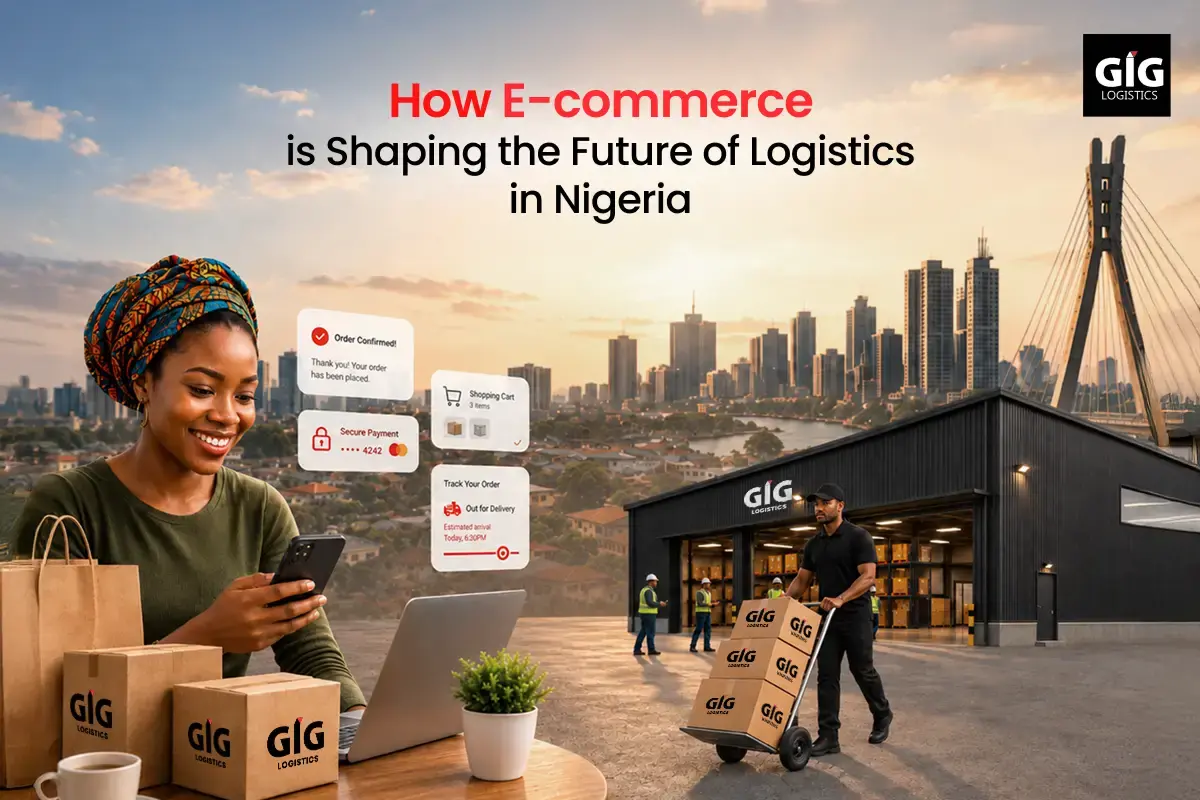
The e-commerce revolution is changing the face of Nigeria’s logistics sector by driving demand for quick delivery, order processing, tracking, inventory management, and last-mile logistics. With growing numbers of online shoppers, the logistics companies operating in the country are becoming increasingly dependent on technology.
From warehouse expansion and digital order management to route optimization and last-mile delivery, technology is transforming logistics operations nationwide. In this blog post, we’ll delve into how e-commerce is reshaping logistics in Nigeria, the technologies driving that change, and what businesses can expect from the future of e-commerce logistics.
What is E-commerce Logistics?
E-commerce logistics is the process of stocking, handling, transporting, tracking, and delivering products purchased online, from order fulfillment through final-mile delivery.
How E-commerce Increases Logistics Demand
With the development of e-commerce, the relationship between e-commerce and logistics has become increasingly relevant, because efficient fulfillment and delivery have now become inevitable for any company. Each transaction conducted via e-commerce website includes several stages: order confirmation, stock management, picking, packing, shipping and delivery; the last stage is particularly challenging when talking about international shipping from the USA to Nigeria.
With an increase in the order volume, companies have to streamline their processes so as to cater to their customers’ demands for convenience, quick deliveries, and order tracking. Efficient logistics enables e-commerce firms to deliver products on time, be satisfied by their customers, handle increasing order volumes, and also gain more customers.
How is E-commerce Delivery Changing in Nigeria?
Delivery speed and flexibility have become critical considerations in online shopping. Businesses need efficient means to move orders from fulfillment centers to customers across different locations.
This trend has led to new delivery methods being implemented by businesses depending on the needs of the customer, product, and destination. Such delivery models will include scheduled deliveries, same-day delivery, pick-up locations, and regular delivery.
This trend will also create opportunities for specialized e-commerce delivery services in Nigeria where third-party logistics companies deliver products on behalf of businesses without delivery systems.
How is E-commerce Changing Warehousing and Fulfillment in Nigeria?
E-commerce has brought about changes in the process through which inventory is handled and managed. Traditional inventory storage methods often can’t keep pace with the speed and efficiency required to deal with growing order volumes.
As a result, e-commerce fulfillment is becoming more significant in Nigeria, particularly for businesses that deal with international orders. This allows businesses to manage cross-border deliveries, such as shipping of goods from the USA to Lagos, Nigeria. Such modern operations are able to incorporate inventory storage, picking, packing, logistics, customs clearance, and even delivery.
Strategically located warehouses and fulfillment centers allow businesses to bring their goods near their consumers by providing efficient and fast delivery.
As a result of increased online shopping, fulfillment centers are becoming more technologically-oriented through the use of inventory management software, barcode scanning, alerts, and online order management.
How is Technology Transforming Logistics in Nigeria?
Technology is one of the key drivers of change in Nigeria’s logistics sector, connecting retailers, warehouses, deliveries, logistics service providers, and consumers through a central platform.
The impact of technology on logistics in Nigeria can be seen in developments such as:
- Real-time shipment tracking
- Automated order processing
- Route optimization
- Digital inventory management
- Electronic proof of delivery
- Automated customer notifications
- Real-time delivery updates
Data analytics can assist businesses in improving their processes through examining delivery times, orders, customers’ location, and transportation efficiency.
For businesses trying to find scalable logistics solutions for e-commerce, leverage technology will help them gain more insight into operations and communicate better with customers.
Why Is Last-Mile Delivery a Challenge in Nigeria?
Last-mile delivery is normally the most difficult part in the logistics process. Last-mile delivery in Nigeria refers to delivering individual shipments from warehouses, distribution centers, or hubs to the destination point – the client’s address.
Several factors can impact delivery, such as traffic congestion, road conditions, address accuracy, population density, and customer availability. That is why a business needs to have a strategy regarding route planning, scheduling and coordination with the client.
For instance, an online store can plan its routes by analyzing customers’ location and allocation of the closest delivery hubs to the customer. Strategies like route optimization, distribution hubs, client information, digital tracking, and alternative delivery solutions, allow the company to avoid any unnecessary miles.
How Is Cross-Border E-commerce Creating Logistics Opportunities?
The emergence of online business has created a lot of possibilities both locally and internationally. Cross-border e-commerce helps local businesses to reach overseas customers while also allowing Nigerians to access products from other parts of the world.
However, international e-commerce involves a number of logistic issues. Companies will be required to sort out issues of custom clearance, international shipping, taxes, delivery and returns.
This creates a need for specialized shipping services that account for logistics requirements both within and outside the country. Shipping services from Nigeria to the USA help e-commerce businesses manage cross-border deliveries, streamline customs and transportation, and expand into international markets.
What Is the Future of E-commerce Logistics in Nigeria?
The future of e-commerce logistics in Nigeria will increasingly be dependent on digital connectivity, efficient fulfillment service providers, tracking capability and data analytics of the transportation process.
Artificial intelligence, predictive analysis, inventory management, and route optimization will allow logistics companies to forecast demand better and optimize inventory management and logistics.
However, the objective is not only to deliver the product faster but to create an interconnected logistics system, where orders, inventories, warehouse, transportation team, logistics company and customer will be able to interact through digital means.
For Nigerian e-commerce businesses, investing in flexible logistics infrastructure and scalable technology will be key to sustainable growth.
Conclusion
E-commerce is reshaping Nigeria’s logistics industry by increasing demand for faster deliveries, effective fulfillment, increased warehouse space, tracking technologies, and technology-enabled logistics. From e-commerce delivery in Nigeria to warehousing, delivery and last mile fulfillment and cross border logistics, every stage of the logistics process has become increasingly technology-enabled.
This change is facilitated by the logistics services offered by GIG Logistics, which offers logistics services using technology to make efficient deliveries to help businesses have control over their processes through efficient services and technologies which increase visibility, handle increased order flow, increase efficiency, and provide a better customer experience.
Frequently Asked Questions (FAQs)
Q1. How is e-commerce changing logistics in Nigeria?
E-commerce increases the need for faster delivery services, better logistics planning, efficient tracking services, and and technology-driven services. Businesses are investing in warehouses, digital platforms, and delivery networks to manage growing online order volumes more efficiently.
Q2. What are the challenges associated with e-commerce logistics in Nigeria?
Key challenges include last-mile delivery, traffic, address accuracy, transportation costs, technological limitations, inventory control, and delivering to various locations. Technology and local distribution systems can help organizations address these challenges.
Q3. How can businesses improve last-mile delivery in Nigeria?
Organizations can overcome the challenge through route optimization, accurate customer information, digital tracking, local distribution centers, and flexible delivery or pick-up options, reducing wasted resources on unnecessary trips.
Q4. What is the importance of technology in the future of e-commerce logistics in Nigeria?
Technology will be very important in managing orders, controlling inventory, managing warehouses, planning routes, monitoring shipments and communicating with customers and also in predicting future trends through data analysis.