
Importing Heavy Medical Equipment to Nigeria: A Complete Shipping Guide
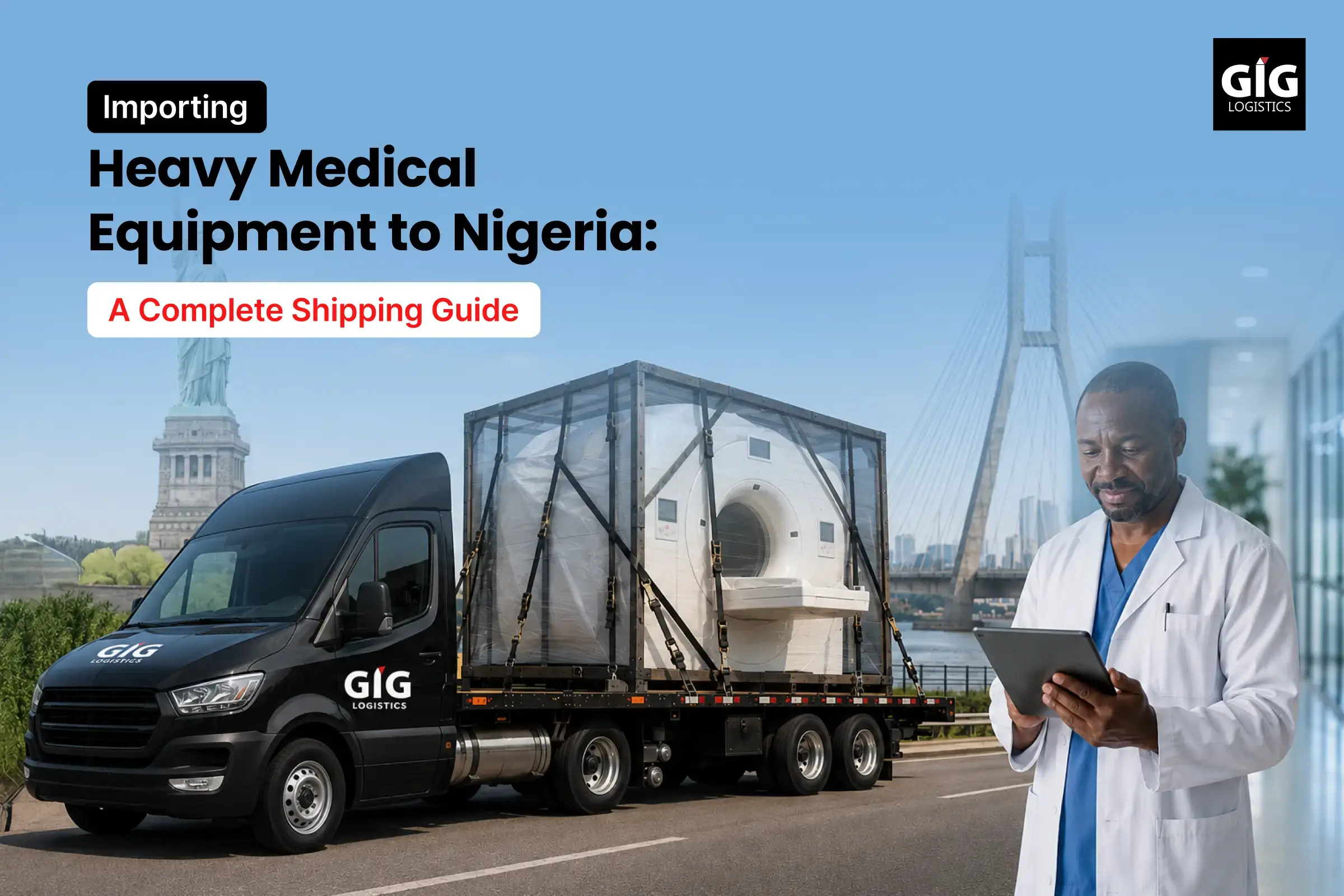
The healthcare sector in Nigeria continues to develop, and the need for advanced medical equipment such as MRIs, CT scanners, X-ray machines, dialysis machines, surgical operating tables, and laboratory equipment is on the rise. But transporting large quantities of medical equipment is not easy, as logistics issues, among other things, are crucial in the procurement process.
This guide provides information about moving heavy medical equipment effectively and securely while highlighting the importance of choosing a good logistics company or air freight service provider from the USA to Nigeria.
Understanding Heavy Medical Equipment Shipping Requirements
Large medical equipment requires special care because such machines are valuable and fragile. Ventilators, scans, X-rays, dialysis machines, and other equipment contain advanced electronics that demand extra care during transportation and storage to prevent damage or malfunction.
When arranging international shipping from the USA to Nigeria, it is necessary to keep in mind:
- Equipment dimensions and weight
- Packing requirements
- Importing regulations and permits
- Delivery deadlines
- Customs duties and taxes
- Insurance policies
- Final destination of delivery
Logistics planning will assist healthcare facilities in avoiding any unnecessary delays and damage to their equipment during transportation.
Choosing the Right Shipping Method
Selecting the right mode of transport is essential for security, convenience, and affordability. Importers are expected to make the tough choice between air and sea freight transport.
1. Air Freight for Urgent Medical Equipment
Most hospitals prefer air freight from the USA to Nigeria when they urgently require certain goods, because air transport saves much time. Air freight works best for:
- Critical medical devices
- Emergency hospital equipment
- Diagnostic tools
- High-value machinery
Air transportation also minimizes handling stages, lowering the risk of damage during movement.
2. Sea Freight for Oversized Cargo
Sea freight is more suitable for extremely heavy or oversized machines. Importers looking for affordable shipping from the USA to Nigeria often opt for containerized shipping due to its ability to provide bulk transportation at cheaper rates.
Common sea freight options include:
- Full Container Load (FCL)
- Less than Container Load (LCL)
- Flat-rack shipping for bulky machinery
- Roll-on/Roll-off shipping
Though sea freight may take longer, it still continues to be a cost-effective method of shipment.
Proper Packaging and Equipment Protection
Medical devices need durable protective packaging to ensure safe transportation across international routes.
Professional logistics companies generally recommend:
- Shock-resistant wooden crates
- Moisture-barrier wrapping
- Temperature-sensitive packaging
- Anti-static protection for electronic systems
- Palletizing of products
- Internal cushioning materials
Effective packaging ensures safe shipment and easy inspection when shipped to Nigeria.
Documentation Needed for Importing Medical Equipment
Documentation errors have proven to be one of the most significant reasons behind shipping delays. Importers should ensure that they complete all documents before cargo departure.
Key documents usually include:
- Commercial invoice
- Bill of lading/airway bill
- Packing list
- Certificate of origin
- Import permit
- Insurance document
- Product compliance certificates
During shipping from the USA to Nigeria, customs authorities may inspect medical equipment to determine whether they are compliant with Nigerian importing procedures.
Understanding Nigerian Customs Regulations
Strict import regulations exist for health equipment to promote safety and compliance with standards. It is advised that importers deal with experienced customs brokers who understand medical shipment imports.
Some important compliance areas include:
- Product registration requirements
- Equipment safety certification
- Import duty calculations
- Value-added tax considerations
- Port inspection procedures
Healthcare businesses can simplify operations by partnering with providers specializing in medical equipment logistics and customs clearance services.
Importance of Cargo Insurance
Heavy medical machinery costs quite a lot of money. Any damage incurred during transit can lead to major financial losses and delays in hospitals’ operations.
Comprehensive cargo insurance protects importers against:
- Transit accidents in transit
- Theft
- Water damage
- Fire incidents
- Handling damage
- Port storage risks
Insurance is even more important for long-haul international shipping from the USA to Nigeria, where there could be several stages of handling and increased risk.
Selecting a Reliable Logistics Partner
It is essential to choose a reputable logistics company when talking about the efficiency of the transport network. While searching for a reliable logistics company, it is important to look at their professionalism, type of transport used, customs clearance abilities, among others.
An experienced logistics company providing reliable delivery service from the USA to Nigeria should offer:
- Freight coordination
- Customs clearance
- Warehouse storage
- Real-time shipment tracking
- Surgical and diagnostic equipment handling
- Final-mile delivery
Healthcare providers must further confirm that the logistics company has previous experience handling delicate equipment.
Warehouse and Last-Mile Delivery Considerations
After customs clearance, the equipment is delivered to hospitals, laboratories, or medical facilities. This stage usually calls for extra logistics management due to the size and weight of the equipment that may call for the use of cranes, forklifts, or special techniques of unloading.
Professional medical freight forwarding services often provide:
- Temporary warehousing
- White-glove shipping
- On-site unloading
- Scheduled installation coordination
These services reduce operational disruptions and improve delivery efficiency for healthcare facilities.
Reducing Shipping Costs Without Compromising Safety
For importers trying to reduce logistics fees while maintaining the security of the equipment, these are practical cost-saving strategies:
- Shipping consolidation
- Choosing the appropriate shipping method
- Prior booking of shipment services
- Efficient packing design
- Comparing rates offered by different freight carriers
- Partnering with freight forwarders
Businesses searching for affordable shipping from the USA to Nigeria should balance pricing with service quality, regulatory expertise, and cargo protection standards.
Why Speed Matters in Medical Equipment Shipping
Delays in medical equipment delivery may cause a direct impact on patients and hospital operations. Fast logistics solutions support healthcare facilities in emergencies, the expansion of hospital activities, and the acquisition of new medical equipment.
A provider offering fast shipping service from the USA to Nigeria helps healthcare organizations maintain operational continuity through:
- Quick customs clearance
- Priority cargo handling
- Rapid air freight service
- Real-time shipment tracking
- Minimal transit delays
Effective logistics management ensures that the hospital equipment is provided when needed.
Conclusion
When sending medical equipment to Nigeria, proper planning, compliance with regulations, and effective logistics services are necessary. These ensure the safe transport of the valuable medical equipment.
Choosing the right freight solution, such as sea or fast air freight from the USA to Nigeria, can be an ideal means of doing so.
GIG Logistics assists businesses in transporting medical equipment through professional and effective freight handling services and smooth shipment coordination across Nigeria.
In addition, the GIGGo App allows importers to easily request shipment pickup and track their equipment till it gets to the final destination.
Frequently Asked Questions (FAQs)
Q1. Which is the most suitable method to transport bulky medical equipment to Nigeria?
Air freight is best for emergency and expensive equipment, whereas sea freight is more suitable for oversized and bulk medical equipment.
Q2. What documents are necessary to import medical equipment to Nigeria?
Common requirements include:
- A commercial invoice
- Packing list
- Bill of lading
- Import permits
- Insurance certificates
Q3. How can importers reduce shipping risks for medical equipment?
Importers can reduce shipping risks for medical equipment by:
- Appropriate packaging
- Cargo insurance
- Professional freight handling
- Professional customs service
Q4. How long does shipping from the USA to Nigeria usually take?
Shipping time may vary according to the timing of your package, port operations, customs clearance, and shipment size. When you ship with GIG Logistics, your shipment from the United States will be delivered to Nigeria in 7-10 working days. Terms and conditions apply.