
The Future of Warehouse Management: How Technology Is Changing Operations
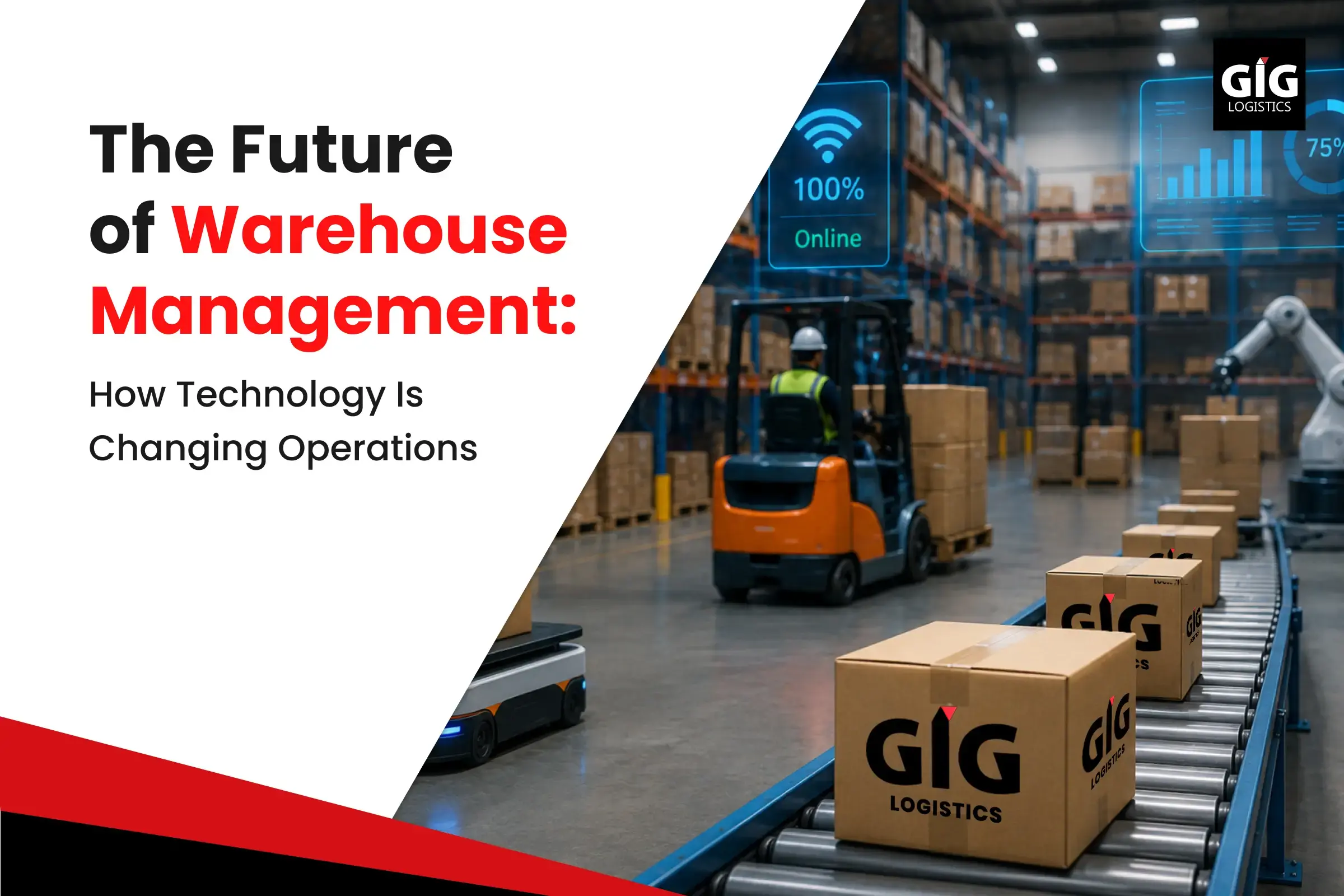
Warehouses have become an integral, highly interconnected part of operations. With continually increasing customer demands and a growing global marketplace, businesses must now be able to move faster, smarter, and more accurately in managing their stock and order deliveries. This ensures the quick evolution of operations in the warehouse.
With technological developments, automation, and data-driven methodologies being used, the future of warehousing is bright. Methods such as Artificial Intelligence, robotic methods, and cloud computing will ensure that companies become efficient and customer-friendly.
In this blog post, we will look at some advanced methodologies revolutionizing warehouses today.
The Growing Role of Warehouse Management Systems
A modern warehouse management system forms the basis for effective warehouse management operations. They offer timely and accurate tracking of inventory, orders, stocks, and staff efficiency.
Unlike traditional spreadsheet-based tracking, a warehouse management system allows companies to track their inventory movements precisely. Managers can make faster decisions, minimize errors in inventory, and increase fulfillment rates.
The existing warehouse management system is integrated not only with the transportation system but also with all the enterprise resource planning systems. This connection between the systems provides a smooth information flow throughout the organization’s activities.
AI Is Revolutionizing Warehouse Operations
Among the latest trends that have made a significant difference is the use of AI in warehouse management. AI enables warehouses to process operational data and draw useful insights from them.
For instance, it can help predict demand patterns, provide optimal places for stock placement, and even determine replenishment plans. As a result, firms manage to maintain appropriate levels of inventory without storing unnecessary stock.
In addition, the use of artificial intelligence will also be useful in identifying problems within any processes and suggesting ways to resolve them. Thus, it contributes towards enhancing efficiency and reducing possible delays.
Automation and Robotics Are Driving Efficiency
Warehouse automation is changing the dynamics of goods handling in warehouses. As a result, automated warehouses, robot picks, and autonomous mobile robots are becoming commonplace.
This eliminates reliance on repetitive manual labor operations. Consequently, staff members can focus on important tasks such as quality control and management tasks.
Modern warehouse management technology integrates with robotic technology and helps in coordinating the flow of goods in the facility. Automation increases warehouse efficiency and accuracy while enabling businesses to adapt to seasonal changes without incurring additional costs.
Smart Warehouse Technology and IoT Integration
The advent of smart warehouse technology has brought about an era of visibility and responsiveness. Internet of Things (IoT) devices, such as sensors, scanners, and automated machinery, collect data on all operations.
Sensors monitor the condition of the stored products while machines report their status. This way, managers get instant information that helps them make quick decisions.
For example, IoT sensors can tell about the change in temperatures in critical environments. In turn, machinery informs about its state before breakdowns occur. Hence, businesses ensure smooth operations without interruptions. By using IoT along with analytics tools, companies can create adaptive warehouse environments.
Cloud-Based Systems Are Enhancing Flexibility
Cloud technology has become an essential element of current warehouse management systems. Cloud-based warehouse management software allows organizations to gain access to their operational information from anywhere.
This ease of accessibility facilitates the collaboration between suppliers, transporters, warehouse staff, and management. This helps solve various problems and meet customers’ needs.
The use of cloud solutions makes it easier to update the software used. Cloud technology also ensures that companies have room for growth without any major financial investments into hardware solutions.
Logistics Technology and Supply Chain Automation
Warehouse operations no longer function in isolation. Instead, they belong to a bigger logistics environment which demands flawless interaction with several entities.
The integration of modern logistics systems connects warehouses, transportation chains, suppliers, and distribution channels. In turn, businesses can monitor the entire supply chain in its entirety.
On the other hand, logistics automation leads to the improvement of routine procedures such as replenishing the stock and tracking orders. This limits human interference in some activities and ensures uniformity in operations.
For businesses engaged in international trade, logistics systems provide valuable support by simplifying cross-border operations, improving shipment visibility, and reducing delays. These systems are convenient for those firms that offer shipping services from the USA and Nigeria. Logistics technology helps in improving package delivery by increasing tracking capabilities, faster processing, and improving customer experience.
Data-Driven Decision Making Is the Future
Data is increasingly becoming one of the most prized assets in the world of warehouse management. Through sophisticated analytics systems, operational data can be converted to useful business intelligence.
Through the use of reporting software, managers are able to measure parameters such as inventory turns, productivity levels, accuracy of orders and the efficiency of equipment used. This software will help companies to improve their processes and allocate their resources better. Moreover, predictive analytics offers organizations an opportunity to plan as opposed to reacting to challenges that come their way.
Conclusion
Technology is transforming warehouse management through its ability to enable organizations to work efficiently, accurately, and scalably. Some technologies include demand forecasting, robotic process automation, intelligent tracking systems, and cloud management systems.
With increasing expectations from customers, the adoption of new technologies, such as warehouse management technology, can help companies overcome challenges associated with supply chain management.
Whether through a sophisticated warehouse management system, advanced smart warehouse technology, or integrated supply chain management systems, the future belongs to digitally transformed companies.
Frequently Asked Questions (FAQs)
Q1. What is a warehouse management system?
A warehouse management system is software that manages inventories, order processing, warehousing space, and warehouse processes for improved efficiency.
Q2. How does artificial intelligence help warehouse management?
AI in warehouse management plays a critical role in forecasting needs, optimizing inventory, improving resource allocation, and identifying inefficiencies in warehouse operations.
Q3. What is smart warehouse technology?
Smart warehouse technology is a blend of Internet-of-Things (IoT), automation systems, sensors, and analytics technologies, which enables a connected warehouse system.
Q4. Why is supply chain automation important?
Supply chain automation minimizes repetitive tasks, increases process predictability, offers higher visibility, and increases adaptability to customers’ needs and market changes.