
The Future of Last-Mile Delivery: Key Trends, Innovations, & Autonomous Solutions
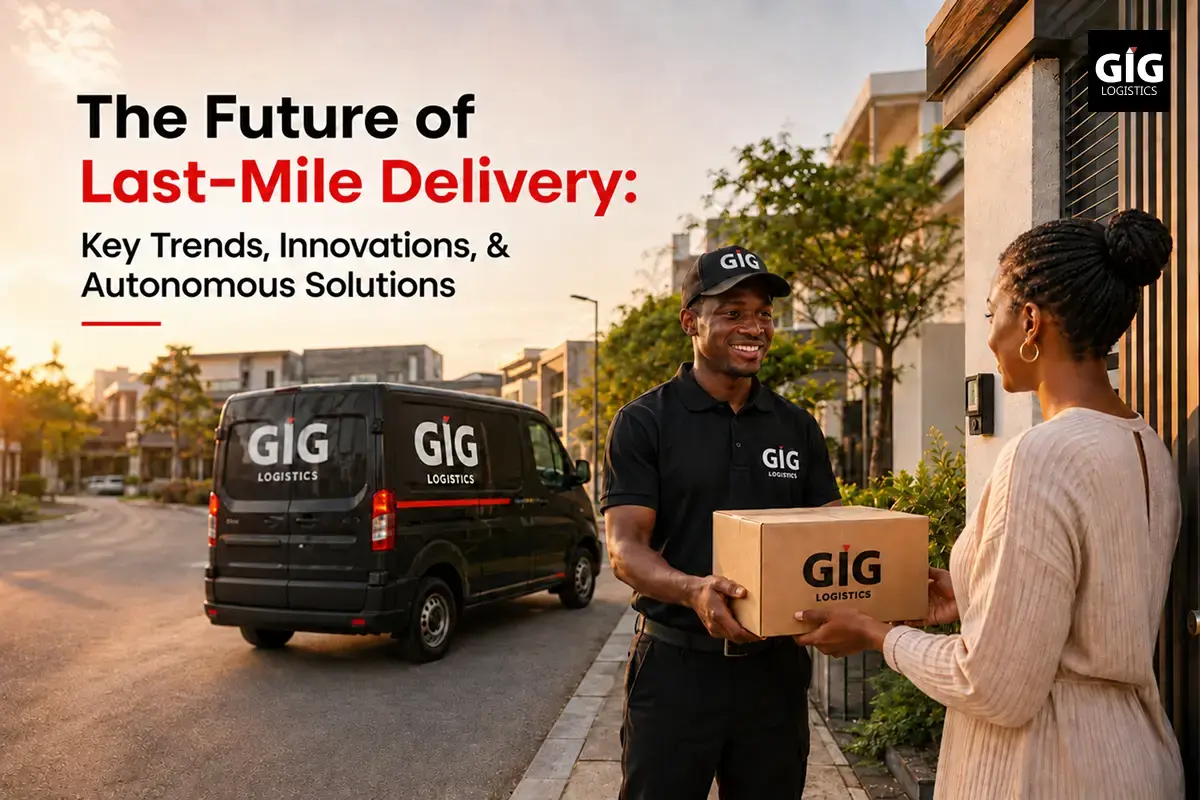
Last mile deliveries have become more digitized, agile, automated, and based on data. Businesses are implementing the use of AI technologies, real-time tracking, delivery optimization, smart lockers, and other alternative modes of deliveries in order to be more efficient and to provide customers with flexibility in terms of receiving their orders. However, companies still have to address high costs of delivery, traffic problems, complexities of last mile delivery, and sustainability issues.
The future of last-mile delivery will be shaped by AI-based route optimization, real-time tracking, autonomous deliveries, smart lockers, electric vehicles, and other data-based logistics technologies. These innovations can help to lower delivery complexity for firms and provide customers with more convenient delivery services.
In this blog post, we’ll look closer into the major trends that define last-mile logistics, how AI is improving delivery operations, the importance of autonomous delivery solutions, and many more.
How Is Last-Mile Delivery Changing?
Last-mile delivery refers to the final stage of the logistics process that involves moving the product from the warehouse or fulfillment center to its final destination. While this might appear like just a fraction of the entire logistics process, last mile delivery, including those operating between the USA and Nigeria, plays an important role in affecting the cost of delivery and customer satisfaction. Nowadays, customers not only want a delivery but they want delivery updates, pick-up times, shipment tracking, and even the option to redirect deliveries to an alternative location.
The Future of Last-Mile Delivery: Trends to Know
The last mile delivery industry is experiencing transformation as companies keep investing in advanced technology to provide services in an efficient, flexible, and reliable way. Some of the developing trends within this sector include:
- AI-based logistics: Through artificial intelligence, companies will be able to predict demand and generate optimized routes while anticipating any potential delays to deliveries.
- Autonomous delivery: Robots, drones, and autonomous vehicles are being considered by firms in making some deliveries.
- Secure lockers: Secure locker systems will provide flexibility for customers and eliminate redundancies in deliveries.
- Sustainable Transportation: Sustainable modes of transport such as electric cars, better routing of delivery trucks, and consolidated deliveries can decrease unnecessary journeys.
- Real-time visibility: GPS tracking and automated alerts allow customers and firms to have clear visibility about deliveries.
How AI Is Changing Last-Mile Delivery
AI is becoming one of the necessary components of logistics in modern times. The use of AI in logistics enables the analysis of a lot of data such as location of orders, traffic, schedules, availability of vehicles, and past data about deliveries.
Therefore, companies can make use of AI in order to plan their routes, forecast the demand for deliveries, allocate resources, and detect any potential issues that may arise in regard to delivering goods.
AI can facilitate communication with customers. Automated solutions can notify customers about delivery status and potential issues, and help answer common customer questions. However, companies should apply AI with human supervision to verify crucial decisions.
How Does Route Optimization Improve Delivery Efficiency?
Route optimization is another major advancement in last-mile delivery technology. While traditional route optimization can be done according to the schedule or human choice, a contemporary solution considers traffic conditions, delivery points, capacity of vehicles, time windows, and availability of drivers.
This makes optimized routing an effective way for companies to build realistic schedules and avoid unnecessary detours. Dynamic routing takes this a step further, allowing companies to adjust routes in real time as conditions change.
For businesses operating in complex urban markets, such capability can prove to be quite useful. For markets characterized by complicated traffic, unclear addresses, or a high density of deliveries, the deployment of digital maps, GPS, and dynamic routing will make the process of coordinating deliveries much simpler.
How Autonomous Technology Is Reshaping Last-Mile Delivery
Autonomous delivery involves the use of drones, robots, and autonomous vehicles in delivering selected items with little or no human intervention at all. These will most probably supplement existing delivery networks, rather than completely replace traditional delivery networks.
For example, delivery robots can be very effective in closed environments such as college campuses, residential neighborhoods, or business parks. Likewise, drones can deliver packages within the framework of legal standards.
Taking into consideration the development in the field of autonomous technology, organizations need to consider issues related to safety, efficiency, cost, regulations, and consumer preferences when implementing autonomous delivery methods.
How Are Smart Lockers Transforming Last-Mile Delivery?
Smart lockers provide yet another practical solution to modern-day delivery problems. Rather than delivering each package straight to a customer’s house, logistics providers can put the package in one of their smart lockers.
Customers can later retrieve their purchase at their convenience. This helps companies avoid repeated delivery attempts and gives customers greater flexibility.
Smart lockers function especially efficiently in urban locations where there is a concentration of deliveries from many points of proximity, and they may be used to complement home delivery by giving customers more freedom in how they receive their shipments.
What Are the Benefits of Last-Mile Delivery Technology?
The use of advanced technology in last-mile delivery ensures that there are efficient processes of delivery to enable better service delivery to clients. Using technologies such as artificial intelligence in route planning and tracking helps an organization become visible and responsive to the delivery situation.
Key benefits include:
- More efficient routes: Efficient routes could mean that you avoid unnecessary trips and maximize vehicle usage.
- Increased shipment visibility: It enables one to track shipment for easier identification of where your package is.
- Reduced operational cost: Route optimization minimizes fuel cost and fewer delays.
- Enhanced customer satisfaction: Timely data, consistent delivery times, and flexible pickup services increase convenience and trust.
What Will the Future of Last-Mile Delivery Look Like?
The future of last-mile delivery will be highly connected but not automated. The use of artificial intelligence will allow businesses to forecast their demand and make their business processes efficient, while technologies like real-time tracking, smart locker stations, electric and autonomous deliveries will ensure flexibility during the process of delivering goods.
However, people will remain an essential part of the process, because the field of logistics consists of various elements, such as relationships with customers, emergency situations, regulations, and others, that cannot be managed only through the use of technology.
When selecting last-mile delivery technology, businesses need to consider its practical value. It is necessary to assess the company’s logistics, geographic location, customer needs, and costs before adopting any new technology solutions.
Wrapping Up
The future of last-mile delivery will be driven by technology, automation, visibility, and evolving needs of customers. As businesses look for more convenient, adaptable, and cost-effective methods of delivering their products, platforms such as GIG Logistics can help streamline their delivery procedures and adopt the most efficient last-mile delivery procedures.
Whether it involves route optimization through artificial intelligence, real-time tracking, autonomous vehicles, or any other flexible delivery approaches, innovation is revolutionizing the method in which deliveries of products to consumers are made. Thanks to these developments and solutions such as GIGL, businesses can develop a delivery system and be on par with times when convenience is key. Last mile delivery is all about intelligence rather than speed.
Frequently Asked Questions (FAQs)
Q1. What is the future of last-mile delivery?
The future of last mile delivery will be based on AI, route optimization, autonomous vehicles, smart lockers, real-time tracking, and sustainable transportation. Businesses will take advantage of the above technologies for more efficiency and flexibility.
Q2. How does AI impact last mile delivery?
AI can assess data such as delivery destination, traffic situation, order volume, vehicle availability, and other variables in order to optimize the delivery route and allocate resources.
Q3. What are autonomous delivery solutions?
These consist of delivery robots, drones, and autonomous vehicles which have the capability of delivering some chosen orders with little involvement of human intervention. These delivery systems depend on different aspects like regulation, infrastructure, safety, and location of deliveries.
Q4. How can firms enhance last-mile delivery?
Organizations can improve their last mile delivery through route optimization, real-time tracking, intelligent locker systems, online delivery platforms, AI-based route optimization, and sustainable logistics by adopting a suitable mix in accordance with their delivery volumes.